Fun fact. The first-ever prototype of Instagram was a web app named Burbn. It was inspired by Instagram creator Kevin Systrom’s penchant for fine bourbons and whiskeys.
It’s come a long way since then. Instagram is now part of Meta’s Family of Apps, which reached 3.56 billion daily active users in March 2026. In the same quarter, ad impressions across Meta’s Family of Apps increased by 19% year over year, which says a lot about how crowded and competitive attention has become.
That fits the bigger social media picture, too. Global social media user identities reached 5.66 billion, equivalent to 68.7% of the world’s population.
And yes, Instagram likes still play a role in that story.
Depending on Instagram’s likes visibility settings, public like counts may be hidden, limited, or harder to compare from one account to another. So if you are wondering how to see likes on Instagram, the answer depends on whether you are checking your own content, reviewing competitor posts, or trying to build a proper performance report.
Here’s the thing, though.
A quick likes check can tell you how many people reacted to a post, but it cannot tell you whether that result is good, repeatable, or better than what your competitors are getting. To understand your Instagram like count properly, you need to look at it alongside reach, impressions, comments, saves, shares, engagement rate, follower growth, and competitor activity.
That is what this guide will briefly walk you through. For a deeper breakdown, we also have a detailed Instagram analytics guide ready to help.
We’ll also cover how Sociality MCP can bring Instagram performance data into AI workflows, so you can move beyond checking likes manually and turn social media data into faster, clearer reporting insights.
How do Instagram likes work in 2026?
Instagram likes have changed a lot over the years, but they have not disappeared. People can still like posts, creators and businesses can still track likes, and Instagram still treats engagement as an important signal. What has changed is how visible those likes are to everyone else.
Instagram first started testing hidden like counts to make the app feel less pressurized. Instead of removing likes completely, Instagram later gave users the option to hide their public like counts, so people could decide what works best for their own experience.
Today, hidden likes are part of Instagram’s likes settings. Users can hide like counts on posts they see in their feed, and they can also choose not to show like counts on their own posts. Meta has continued to frame this as part of giving people more control over how they experience Instagram, especially around pressure, privacy, and younger users’ safety.
For everyday users, this makes Instagram feel a little less focused on public validation. For brands, agencies, and creators, it creates a more complicated reporting question.
A visible Instagram like count can still help you understand how a post is performing at a glance. But in 2026, likes are only one part of the picture. Instagram has also put more focus on broader performance metrics, with views becoming a primary metric across formats such as Reels, Stories, photos, and more.
So yes, likes still matter. But if you want to benchmark competitors, evaluate influencers, or understand whether your own content is improving, you need to analyze Instagram likes together with reach, views, comments, saves, shares, engagement rate, follower growth, and competitor activity.
How does Instagram’s hidden likes feature impact your business?
Instagram likes have long been a key social media marketing metric. Hidden likes can make competitor benchmarking and influencer scouting harder, especially when public like counts are no longer easy to compare.
Don’t panic just yet, though. There’s still a way to view your competitors’ Instagram likes. It just means using a different app.
Many social media management tools offer powerful Instagram analytics reporting. This allows you to track your progress, gauge your overall success, and pinpoint areas for improvement. And, of course, you can run a full competitor analysis, including how many Instagram likes their posts receive. Phew.
How to see likes on Instagram
You can only use Instagram Insights inside the app.
But what if you want a more detailed social media report? Maybe it’s time for an Instagram audit. Or perhaps you want to benchmark the competition.
Either way, if you want deeper insights into your brand’s Instagram performance and how to optimize it, you will need a social media management tool. 👇
How to use social media management tools to see likes on Instagram
You can do a lot more with a social media management tool than just schedule reels and posts. And when you are trying to figure out how to check likes on Instagram in a business context, that extra context matters.
A simple likes check can show activity on one post, but social media analytics helps you understand how that result compares with your competitors, industry, and wider Instagram strategy.
Tools such as Sociality.io give teams a detailed overview of how well their content is performing, how their follower growth is progressing, and how their Instagram results compare with competitors. Instead of only asking how to view likes on Instagram, you can start asking why some posts attract more engagement, which formats perform best, and what your competitors are doing differently.
This is especially important because likes visibility on Instagram is not always straightforward. Depending on the account, the post, and Instagram’s likes settings, public like counts may not give you the full picture.
For teams that want to take this analysis further, Sociality MCP can add an AI layer to the workflow. Rather than using AI as a basic Instagram likes viewer, teams can connect Sociality.io data to AI assistants and work with account performance, post-level insights, and competitor data in a more structured way. That makes it easier to summarize what happened, understand why it happened, and turn Instagram engagement data into clearer reporting insights.
1. Compare multiple competitors at once
Unless you have unlimited time and patience, you’re going to want to analyze several competitors at once. This takes the headache out of running a full competitor analysis.
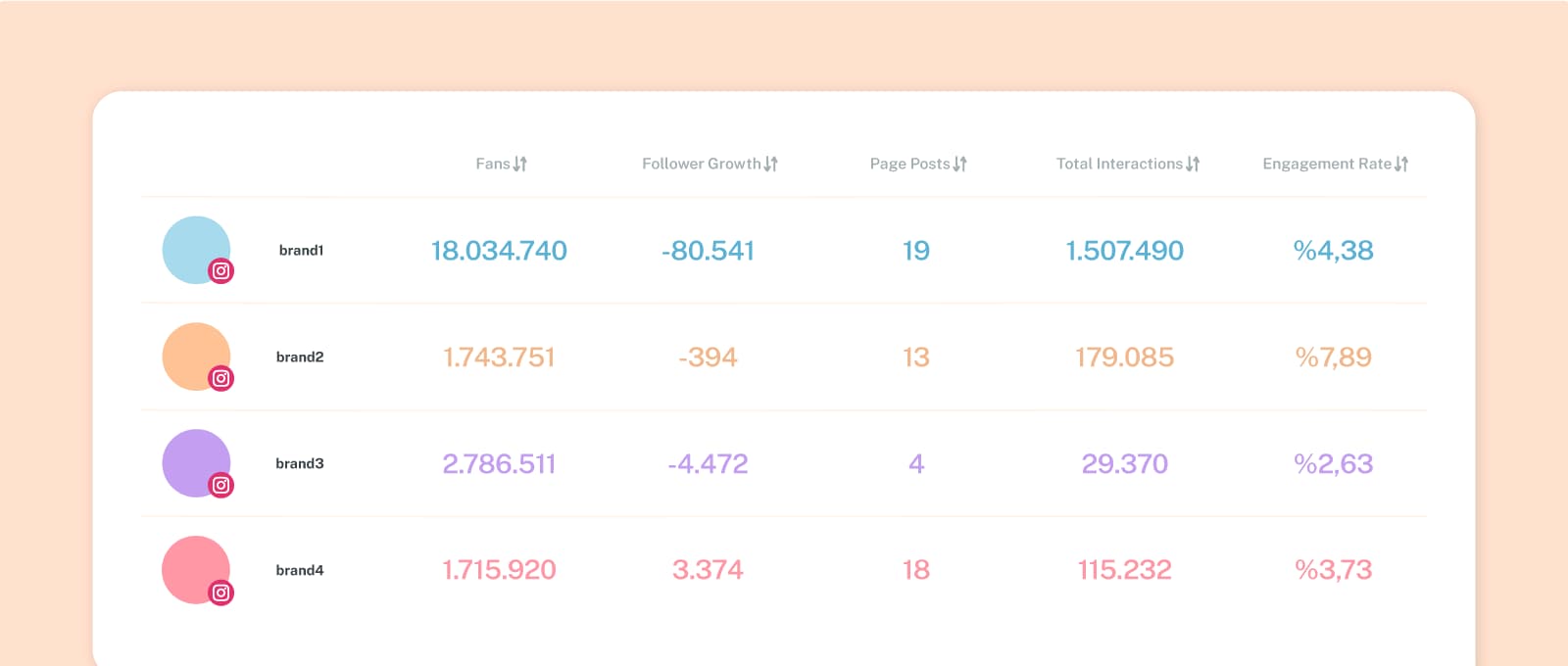
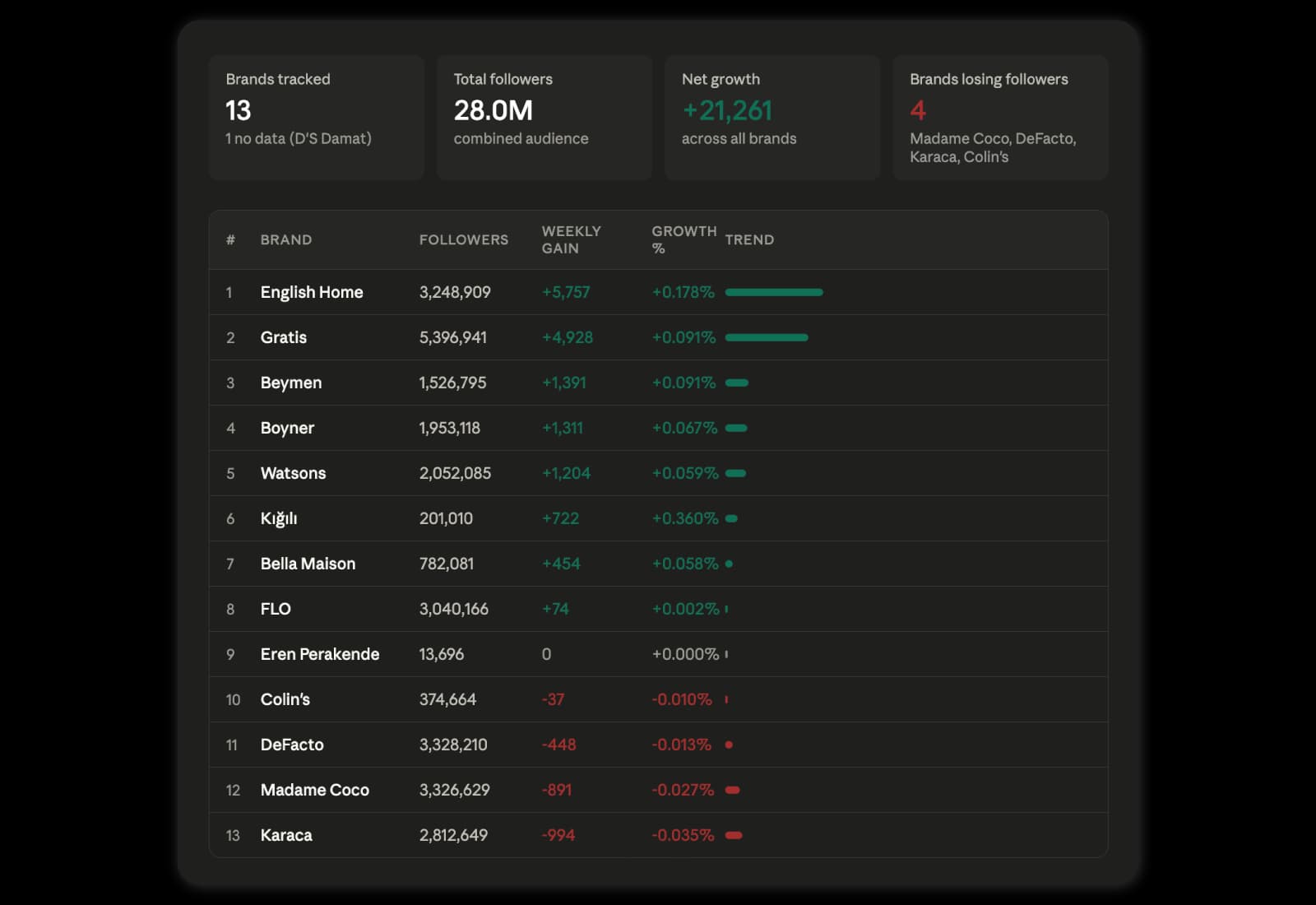
And with Sociality MCP, you can check multiple competitors with a simple prompt in a single AI chat, as shown below. Instagram likes, and beyond, every key metric is right there. If you are still choosing a server, start with which social media MCP server fits your workflow.
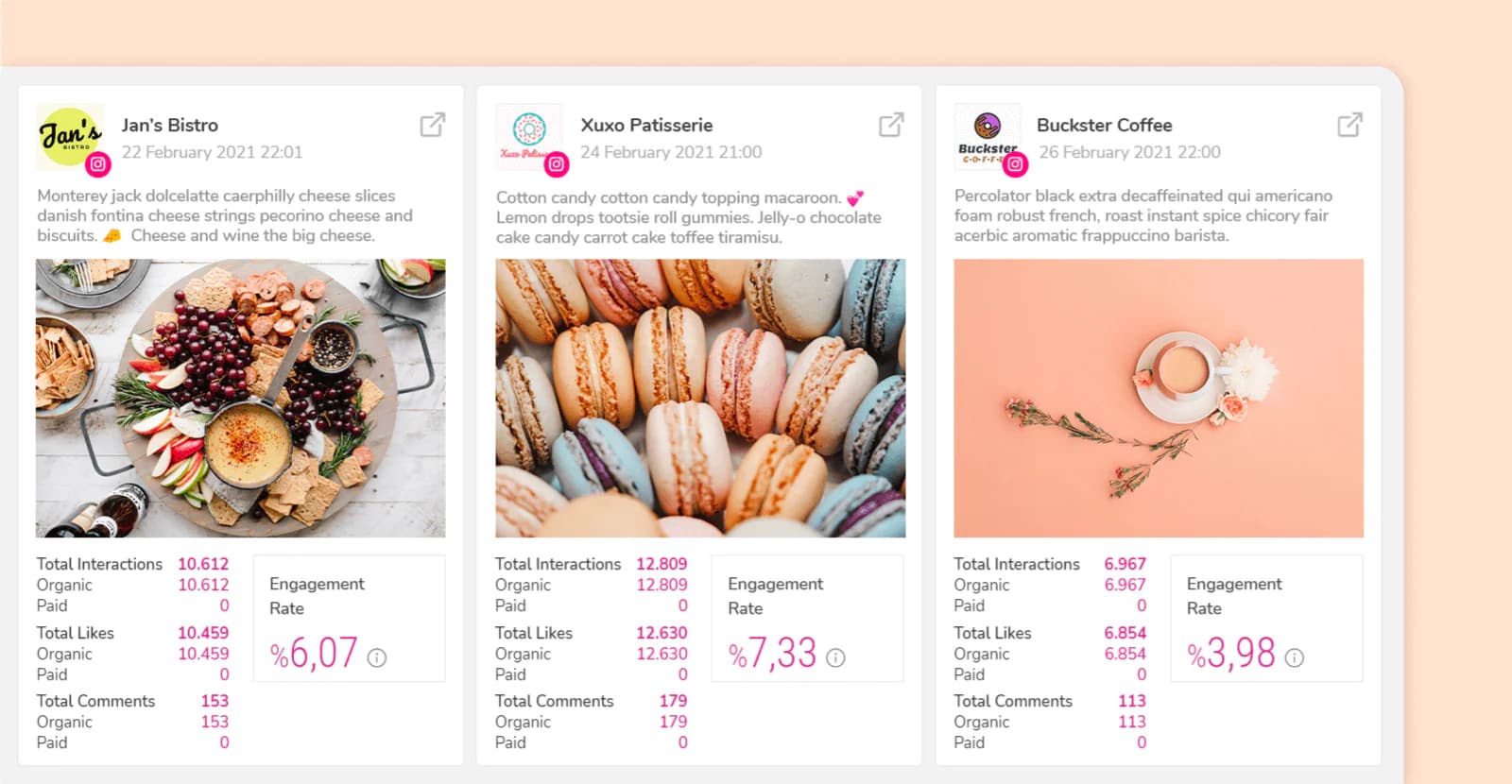
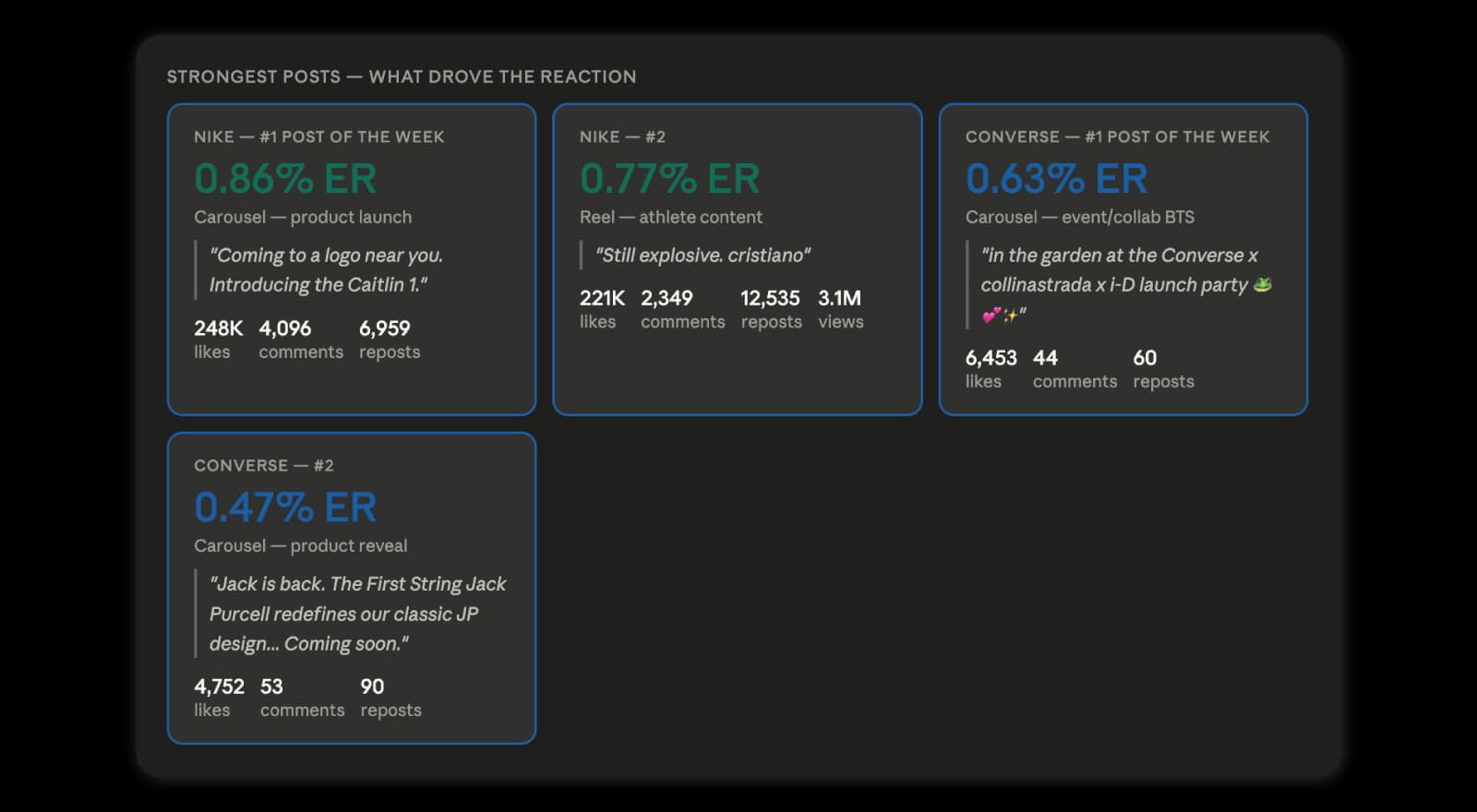
2. Check competitors’ top-performing content
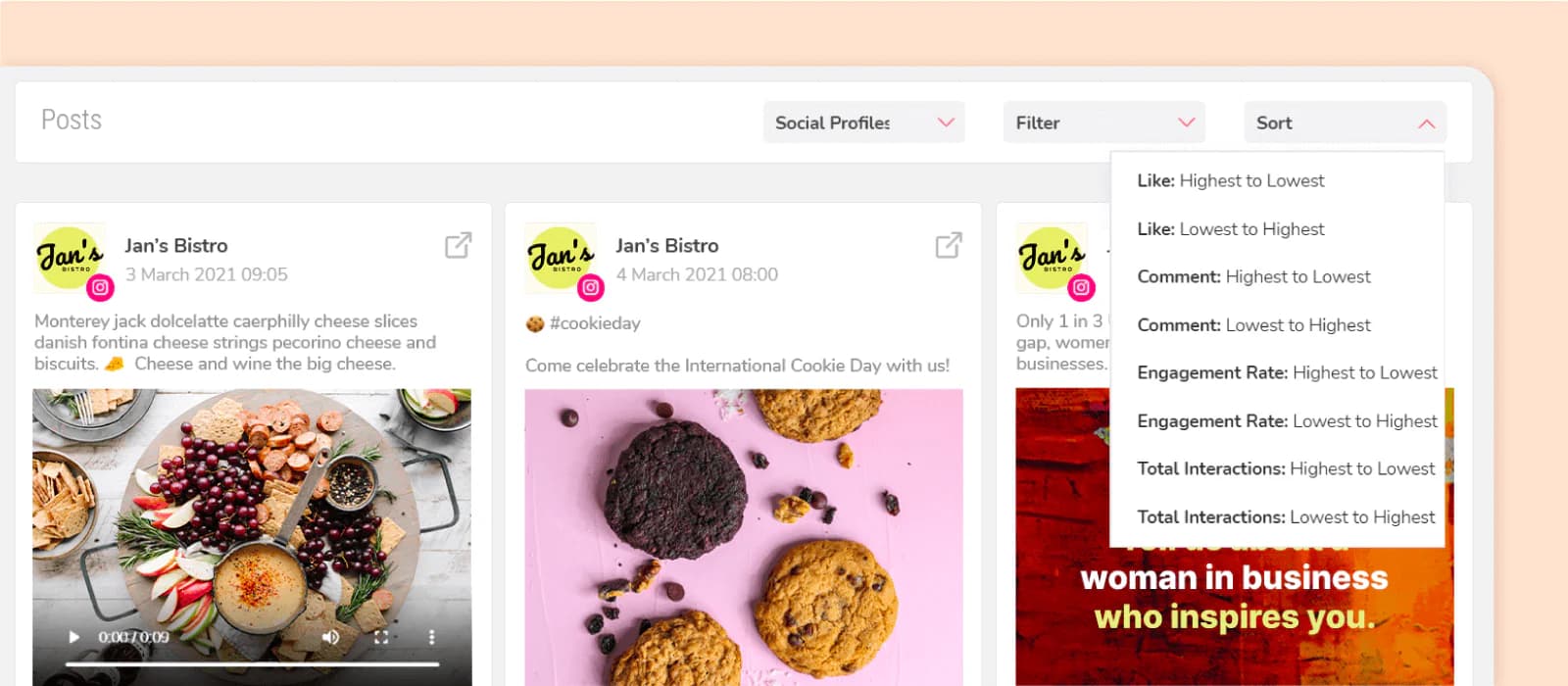
It’s always useful to know your competitors’ likes and which content is working well for them. This can influence your content strategy going forward or at least confirm that you’re on the right track.
You can compare different metrics for each post until you find the answers you need.
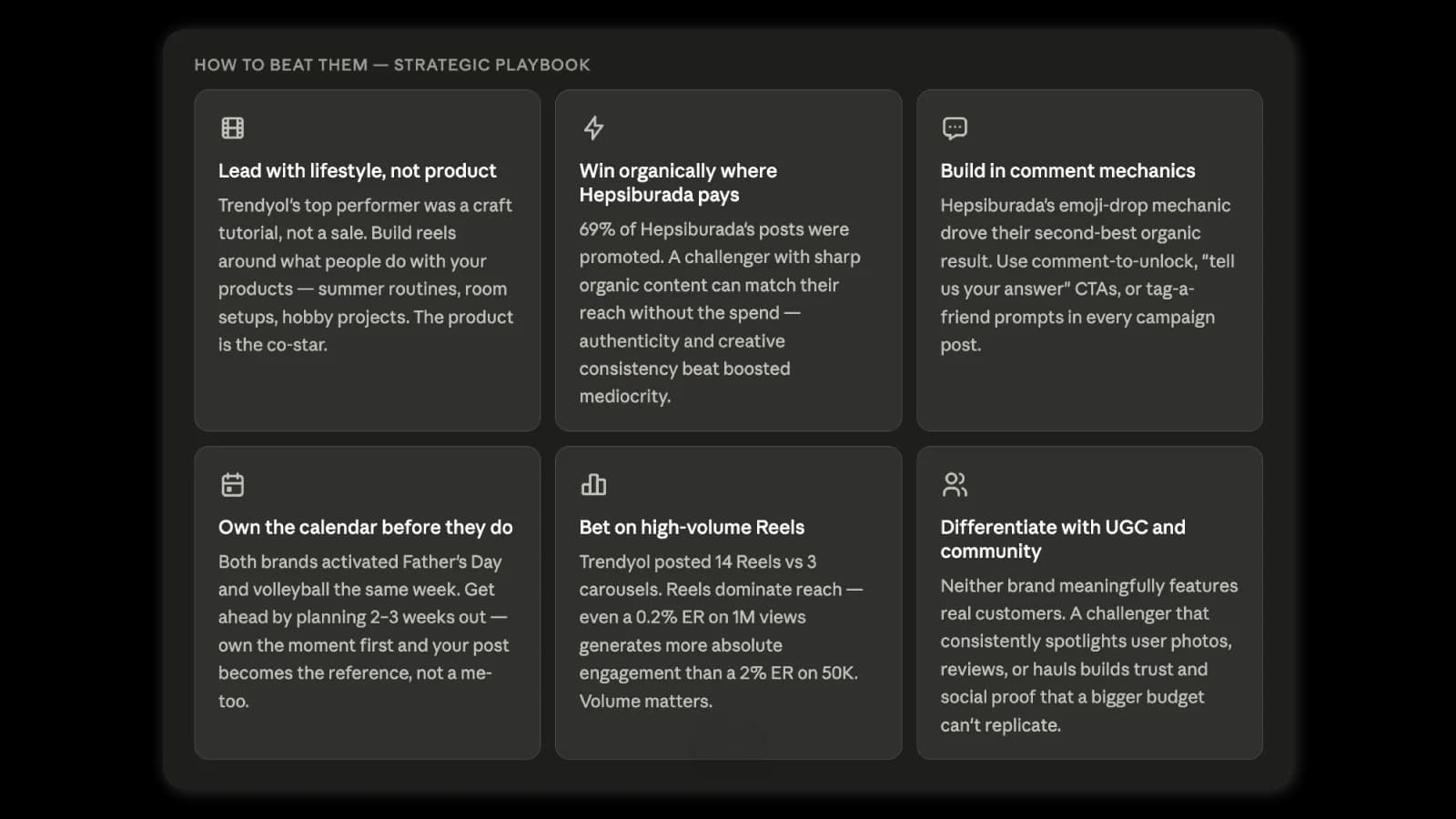
If you connect your AI tool to Sociality MCP, you can take this even further. You can ask something like “Check my competitors’ Instagram performance for the last week and tell me which posts, stories, or reels we should create to outperform them.”
Then Sociality MCP brings the right data into the conversation, so your AI tool can turn competitor performance into practical content ideas. If you want to discover the rest of the top social media MCPs, here’s the deep dive!
3. Monitor competitors’ follower growth rate beside likes
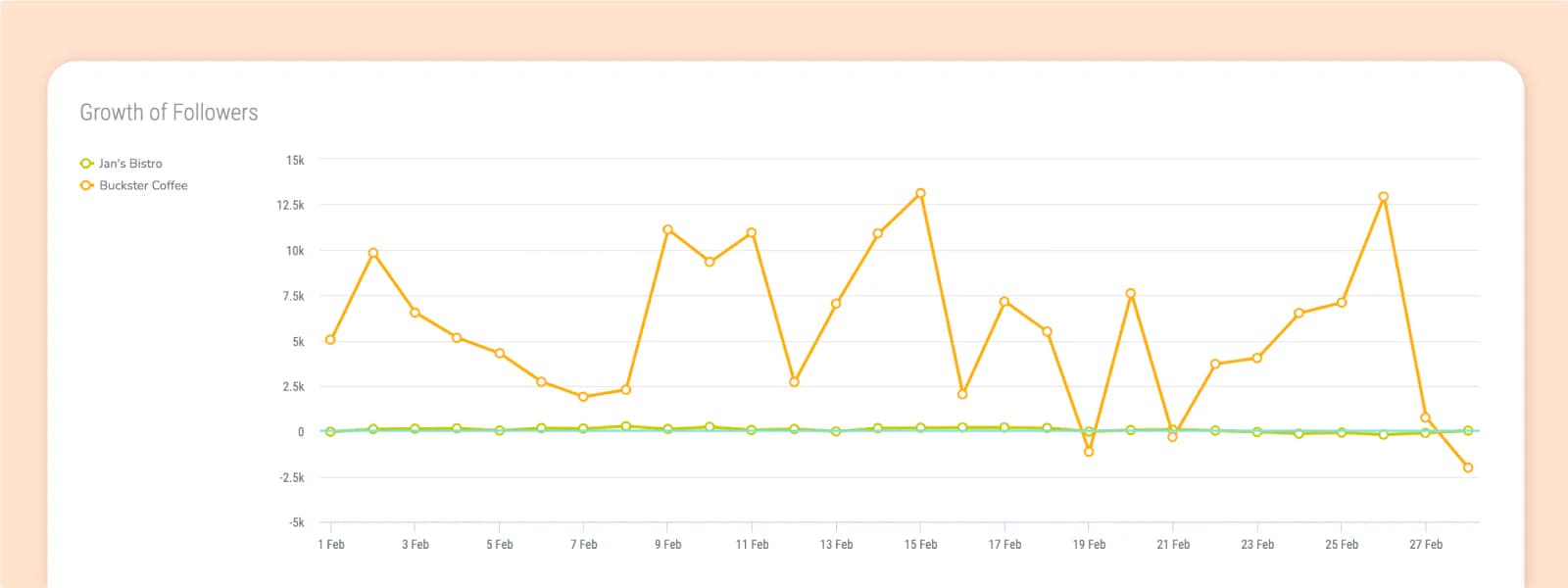
Has your Instagram growth rate slumped recently? Check whether it’s just you or if your competitors are facing the same issue. This will enable you to take the right action.
There’s no point in completely changing your content strategy until you identify why you’re experiencing a slump. So, it’s always smart to see if other leaders in your industry are going through the same thing. If not, what are they doing differently?
4. Understand engagement rates
It’s all about engagement. Understanding how much your audience is engaging with your posts in relation to similar ones from your competitors will reveal a lot.
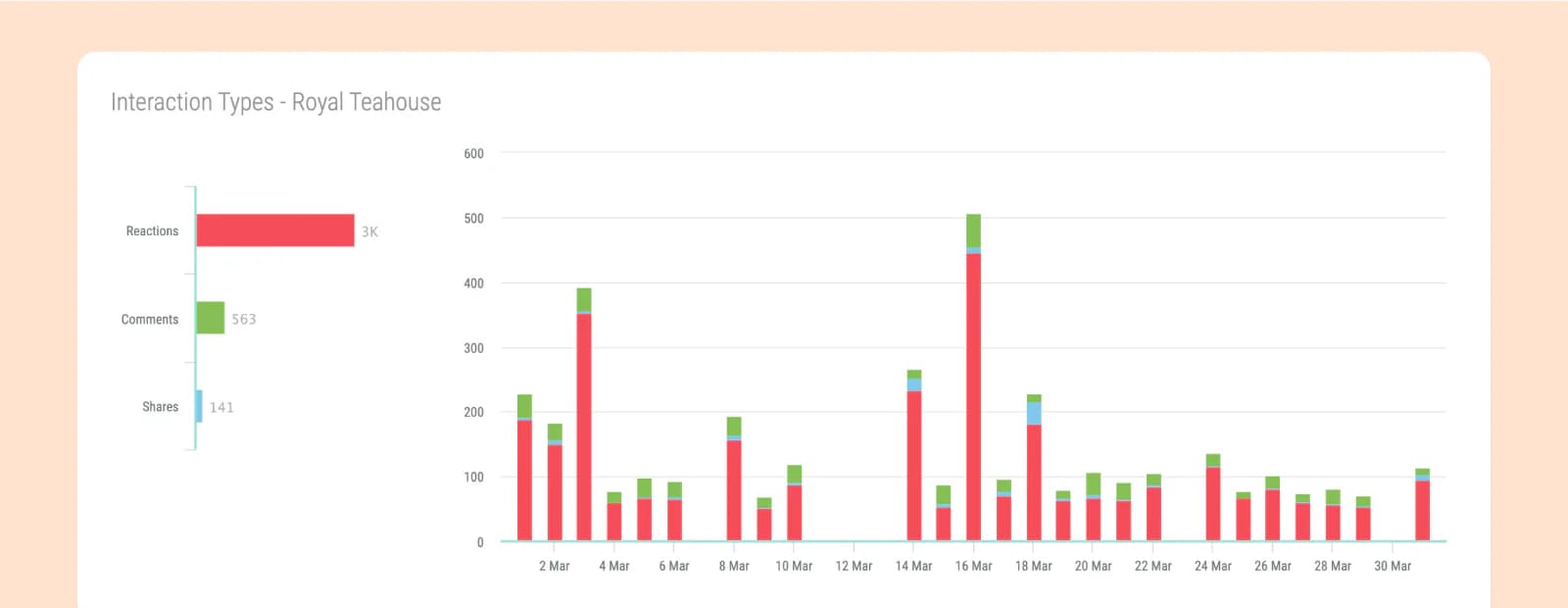
With Sociality MCP, this becomes much easier to analyze. Once your AI tool is connected to our social media MCP, you can simply ask it to compare engagement rates, highlight the posts with the strongest reactions, and explain what you can learn from them.
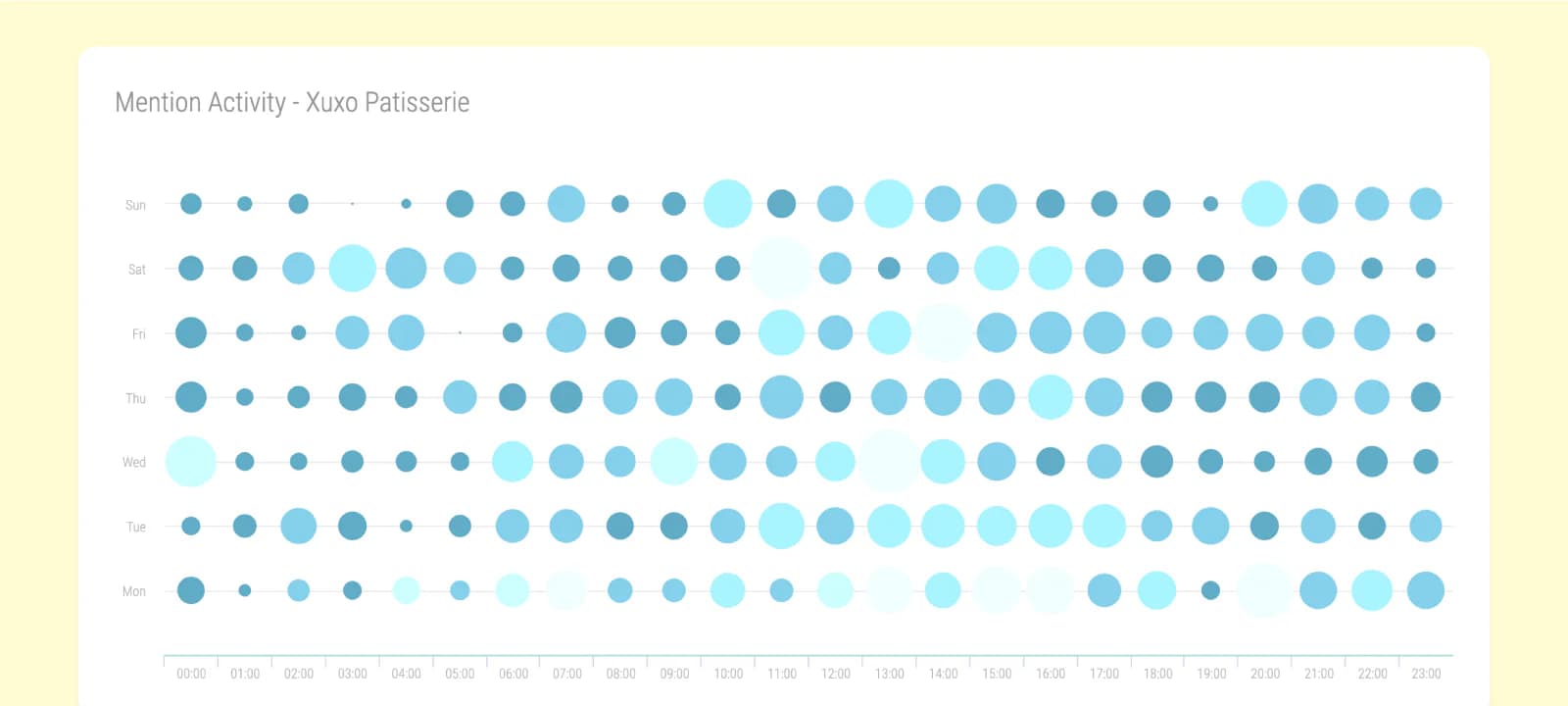
5. Monitor mention activity
Get to know how often you and your competitors are being mentioned, what topics you’re being mentioned in, and who is mentioning you. You can even see when most of the mention activity is taking place.
6. Conduct a sentiment analysis
A sentiment analysis shows how your audience actually feels about your content by telling you whether comments are positive, negative, or neutral.
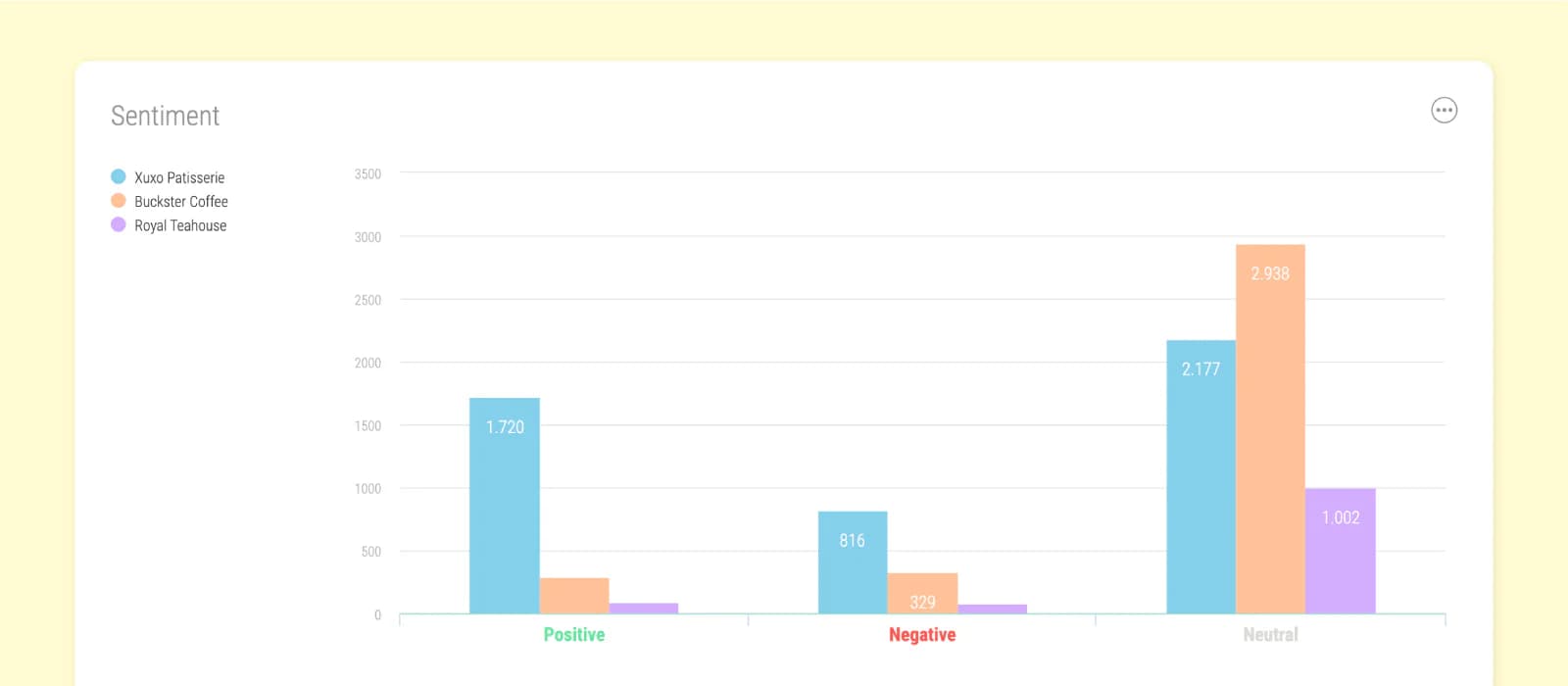
If knowledge is power, then this data will make you indestructible. Whether you want to see likes on Instagram, create comprehensive Instagram reports, or learn from your competitors’ mistakes, it can all be done with one tool.
Wrapping up
Instagram likes still matter, but they are no longer the full story. With changing likes visibility, broader performance metrics, and stronger reporting needs, brands need more than a quick look at public like counts.
We hope this guide on how to see likes on Instagram has cleared things up. Whether you are checking your own posts, benchmarking competitors, or creating AI-powered reports with Sociality MCP, the goal is the same. You need to understand what your Instagram performance actually means, not just how many likes a post received.
FAQs about Instagram likes
How to see likes on Instagram posts?
To see likes on Instagram posts, open the post and check the like count below the content, if it is visible. If you manage the account, you can also use Instagram Insights to review post performance in more detail. For brands, it is better to look beyond the Instagram like count and compare likes with reach, comments, saves, shares, and engagement rate.
How to hide likes on Instagram?
You can hide likes on Instagram through your likes settings. Instagram lets users hide like counts on posts they see in their feed, and you can also hide like counts on your own posts before or after publishing. This can make the app feel less focused on public numbers, but brands should still track Instagram likes through Insights or social media analytics tools when measuring performance.
How to see someone’s likes on Instagram?
You can’t see a full list of everything someone likes on Instagram. However, you may be able to see the like count on public posts if the account or post owner has not hidden it. For competitor analysis, brands usually need a social media management tool rather than manually checking visible likes one post at a time.
Can I count Instagram likes across multiple posts?
Yes, but doing it manually can take a lot of time. If you need to count Instagram likes across several posts, campaigns, or competitors, social media analytics tools can help you compare results faster. With Sociality MCP, teams can also bring this data into AI workflows and ask questions about post performance, competitor activity, and reporting trends.
What is an Instagram likes viewer?
An Instagram likes viewer is usually a tool or feature that helps users see likes on Instagram posts. A basic Instagram like viewer or Instagram like counter may help with a quick likes check, but brands usually need more context. The real value comes from understanding whether the Instagram like count is strong compared with reach, engagement rate, competitor performance, and past results.
How do likes settings on Instagram affect what I see?
Instagram’s likes settings can change whether public like counts are visible on posts. Some users may choose to hide like counts on their own content or hide like counts on posts they see in their feed. That is why likes visibility on Instagram can vary depending on the account, post, and settings.